By Hezy Laing
New satellite imagery indicates that Iran has rapidly deployed S-300 missile batteries and the potent COBRA V8 electronic warfare system.
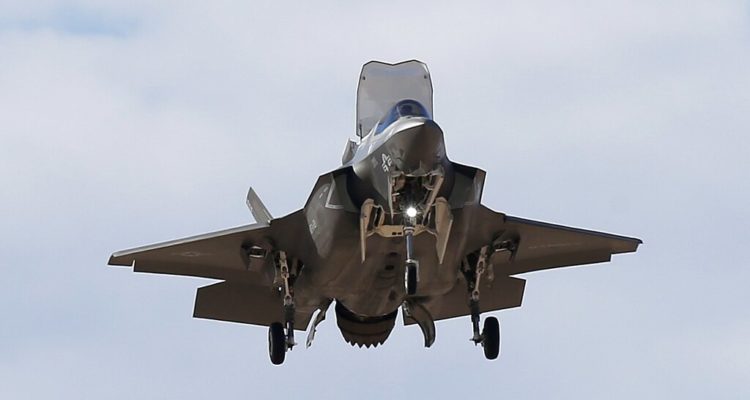
Experts suggest this move creates an “electromagnetic wall” designed to disrupt the sensors of Israeli and American F-35s in defense of sensitive sites.
Iran’s new COBRA V8 electronic warfare system (based on the Russian 1L257E Krasukha-4) is a highly mobile, long-range, ground-based electronic warfare system designed to disrupt radar-guided combat aircraft, AWACS aircraft, and reconnaissance drones.
It covers a roughly 185-mile radius, targeting 8–10 GHz X-band frequencies to create an “interference bubble” that jams radar and GPS/satellite signals.
The system is designed to counter Israeli and American air threats by creating a ‘jamming bubble’ that would make it difficult for Western aircraft to operate effectively.
How the IAF Might Overcome It
Despite the threat posed by the system, the IAF may be able to counter it. Here are some possible solutions:
Kinetic Elimination (Hard Kill): Using long-range standoff missiles (like Delilah or Spice) to destroy the jammer, as its high-power, active emission makes it locatable despite its mobility.
Non-GPS Navigation: Israel has already developed and fielded anti-GPS-jamming technology and inertial navigation systems (INS) for weapons and aircraft following earlier encounters with Russian EW, reducing reliance on satellite navigation.
Electronic Attack (Soft Kill): Employing Israeli-made electronic warfare systems (such as those produced by Elbit or IAI) to jam, deceive, or overwhelm the Cobra’s sensors, forcing it to shut down or disrupting its ability to target specific frequencies.
Low-Observable Technology: Using stealth aircraft, such as the F-35I Adir, to operate in a jammed environment with reduced radar cross-section, limiting the effectiveness of the EW system.
Drones/Loitering Munitions: Deploying swarms or specialized anti-radiation drones that can hone in on the Cobra’s radio frequency emissions and destroy it, as suggested by past combat experience against Russian systems in Syria.
